
NPMCA field guide · Public tools and downloads
Tools You Need to Start a Pavement Maintenance Business
Build a scope-specific equipment list for sealcoating, crack treatment, striping or a confirmed Liquid Road add-on. Separate required equipment, capacity upgrades and owned assets, then carry sourced choices into the complete startup budget.
Author: NPMCA · Updated · Version 1
Sources are checked; this is general education, not professional advice.
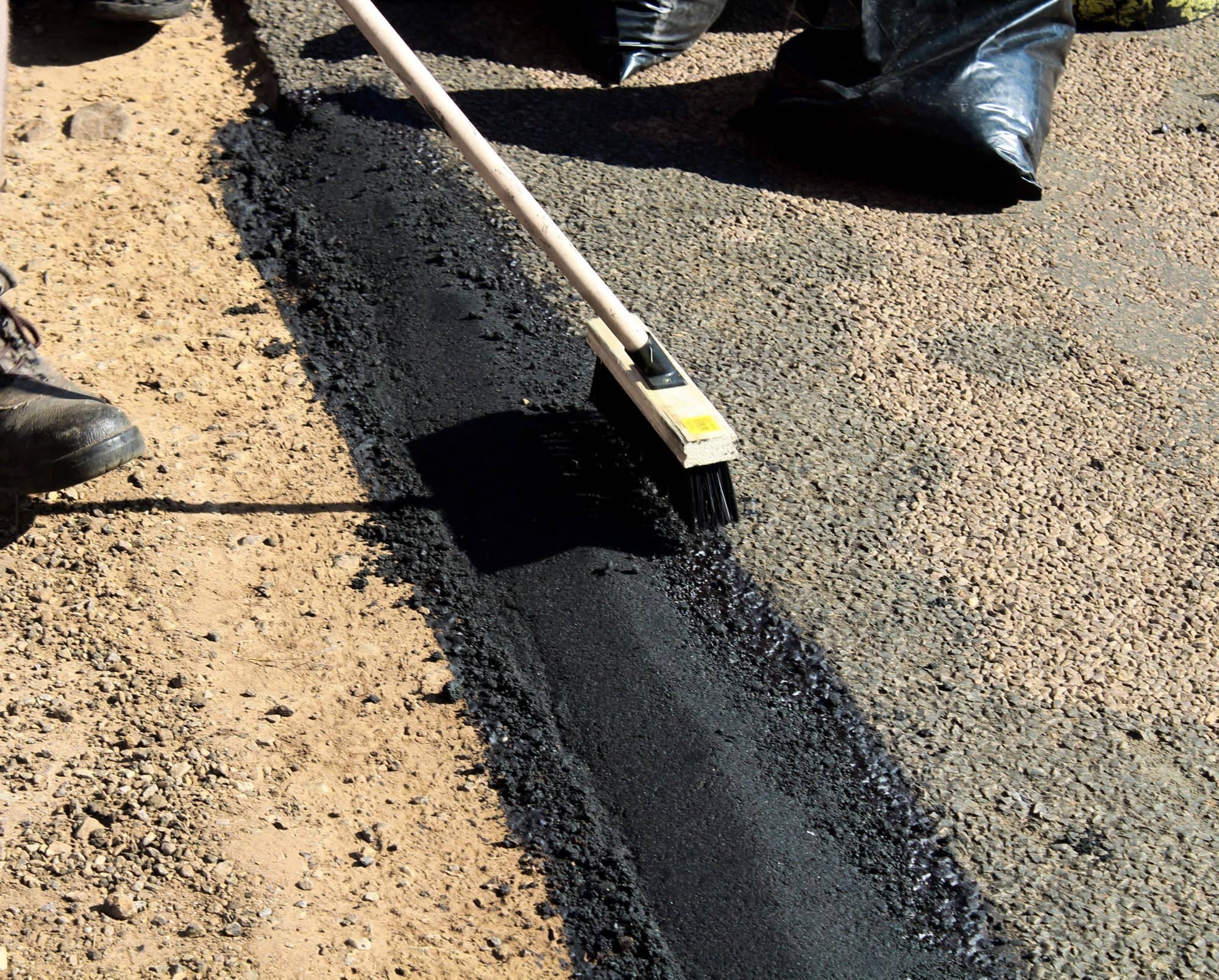
Photo: Nicolette Villavicencio / Pexels, Pexels License
Before you start
- Chosen service, product and application method.
- Current product instructions, equipment manuals and a job hazard assessment.
- A list of owned assets with condition, transport and storage checks.
What you will finish with
- A required/optional/owned/rent equipment list tied to real tasks.
- An item-level quote and compatibility record.
- A handoff to the full startup budget with unresolved items identified.
Source note: sources below were checked as of October 11, 2026. Product revisions, local rules and your written quotes control the actual job. Unknown costs stay blank.
Match the tools to the work you will actually sell
A tool is required because the chosen job or product needs it, not because it appears in a package photograph. Explain the task each item performs and whether a trained operator is available.
Manual versus mechanized application
Compare manual and mechanized application for the selected material and scope. Decide from compatibility, safe handling and workload rather than assuming bigger equipment is the only professional option.
Product and equipment compatibility
Match the exact product, formulation and method to the actual machine, tips, hoses and mixing/transfer system. Save written manufacturer/supplier clarification for unclear compatibility.
Must-have for the selected scope versus nice-to-have for later capacity
Mark required items, later capacity upgrades, confirmed owned assets and rental options separately. An upgrade becomes required when the contracted scope depends on it.
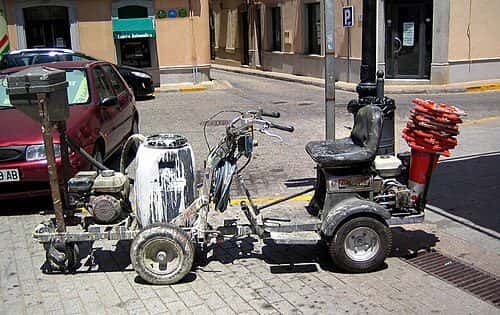
A walk-behind line striper with its paint tank.
Photo: Doalex / Wikimedia Commons, CC BY-SA 4.0

Sealcoating tools you need
Sealcoaters should choose the application system after the product and first-job scope. Every row also needs the shared support and preparation equipment.
Manual application essentials
For approved manual work, list compatible brushes/squeegees, containers, specified mixing/agitation and material transfer. Confirm safe handling and the method in the product instructions.
Spray-system essentials when spray work is selected
If spray work is selected, confirm the compatible tank/agitation, pump, hose, wand and tips. Record model and mix limitations rather than treating any pump as a sealer pump.
Capacity upgrades
A higher-capacity rig, mechanized cleaning, hose reels and spares can address a documented constraint. They remain optional only while the accepted work can be done safely without them.
Crack filling and sealing tools you need
Crack-treatment tools must match the material, required preparation and geometry. Hot and cold application systems are separate choices.
Cold-applied versus hot-applied setup
List the compatible cold-applied dispenser or hot-applied melter/applicator for the selected product. Save exact model/manual and material compatibility confirmation.
Preparation and temperature control
Include measuring, cleaning, product-specified drying and monitoring tools. For heated work, follow the actual product and machine requirements for temperature measurement and handling.
Routing only when specified and trained
Add a router only for a specified routed treatment performed by trained people with a suitable hazard/control plan. It is not automatically required for all crack work.
Read the specialist equipment decisions
Specialist equipment decisions have their own public modules. Read them before adding unfamiliar work or committing to a machine.
Crack cart/melter features, wear parts and upkeep
The crack-cart/melter module compares actual documented features, parts fit and manual-based upkeep. PaveStrong is described only as an equipment option to verify; no published specifications were found.
Snow-removal versus brine equipment
Snow removal and brine anti-icing require different application equipment, training and site planning. Select them from the winter-service scope rather than assuming a pavement rig can perform either job.
Paver rent/buy decision without a full paving launch guide
The paver module compares rent, subcontract and purchase using your workload and actual quotes. It is an equipment decision; a full paving launch needs separate specialist planning.
Line striping tools you need
Stripers need a paint-compatible machine and a method to verify the approved design and finished markings. A machine cannot approve the layout.
Paint-compatible machine and tips
Check the selected paint and exact machine manual for compatible tips and accessories. Save the required cleanup and handling instructions with the equipment record.
Layout, stencils and quality checks
List measuring tape/wheel, chalk/layout tools, contracted stencils and specified film-build/quality checks. An expanded stencil set or laser aid is optional until the job requires it.
Restriping versus approved new-layout scope
For restriping, verify the current approved layout before following faded lines. For a new layout, confirm the plan and competent design responsibility before marking.
Liquid Road add-on tools you need
For Liquid Road, obtain the current application-specific system and written rig confirmation first. Generic sealer compatibility is insufficient evidence.
Manufacturer-confirmed agitation, aggregate handling and application system
Confirm tank/agitation, aggregate handling, transfer and the selected squeegee/spray system against the exact product and specification.
Existing assets versus incremental purchases
List compatible owned assets separately from newly required purchases and servicing. Keep the incremental list linked to the three-tier budget.
Current road/parking-lot specification and training
Resolve road-versus-parking-lot documents, current revision and training. The unresolved application details prevent automatic coat or equipment defaults.
Sweeping and paving equipment — later planning
Sweepers and pavers serve different specialist scopes. These planning notes identify the categories to investigate; separate launch briefs are needed before purchasing capacity or offering unfamiliar work.
Specialist equipment, support and skills
Sweeping needs a suitable sweeper, inspection/hand-cleanup, debris containment, lawful disposal and equipment-specific dust controls. Paving needs suitable placement/compaction, grade/preparation tools, hauling/material arrangements and trained support.
Separate later briefs before purchasing or offering these services
Work with qualified specialists to define the intended debris or paving scope, site plan, transport, supply, controls and operator skills before comparing equipment quotes.
No live sweeping/paving spokes in Phase 1
This guide has no published sweeping-business or paving-business launch spoke. The current paver decision page and general hub do not replace those specialist plans.
Compare cost ranges before buying
No complete same-scope item baskets were sourced for this guide, so equipment cost ranges are omitted. Use the editable source register to collect comparable dated evidence.
Dated comparable item quotes
Record model, configuration, quantity, condition, supplier/geography, date, URL/document, capacity and included accessories. Each cost field needs its own source, not a single table caption.
New, used or rental basis
State whether the amount is new purchase, inspected used purchase or rental for a specified period. Include repair/inspection costs and rental availability; do not assume a fixed used-equipment discount.
Freight, tax, accessories and ownership costs
List freight, tax, fittings, training, service, wear parts and other ownership commitments. Make exclusions visible before comparing totals.
Transfer the chosen list to the full startup budget
Carry the chosen items and their source references into the complete budget. Keep equipment selection here and business startup/recurring/cash timing in the budget module.
Make and verify a scope-specific equipment list
Identify the tasks and product
Record selected service, site scope, formulation, application method and trained operator.
List required support and application items
Connect every item to preparation, measurement, application, safety, closure, transport or records.
Verify compatibility and owned assets
Save exact manuals and written clarification, then inspect owned items and loaded transport.
Collect item-level evidence
Record dated quotes with model/configuration, condition, rental period, inclusions and delivered-cost exclusions.
Hand off the selected list
Separate optional upgrades and unresolved requirements, then transfer confirmed choices to the full startup budget.
Public tools
Use these without an account. Enter your own measurements and quotes. Save records on this device or export a copy for your job folder.
Your working record
Records stay in this browser. Export before switching devices. Do not enter bank details, identification numbers or private customer information.
Download the working documents
Version 1 · As of 2026-10-11. PDF for printing; DOCX and spreadsheets for editing. No email or membership required.
Tools you get as an NPMCA member
Confirmed access and plan limits
Optional member resources. Your plan and the member app determine access. The guide and its public tools work without membership.
Available catalog deals
These live catalog resources include practical tools, help and deals. Check each row's eligible plans and terms in the member app.
- PaveCare Navigator
Compare care price options for your membership and location. Confirm the selected service and final price with the provider. This tool is not insurance.
Plans: PaveCarePlus; NPMCA Business PavePro with PaveCarePlus. Catalog checked as of 2026-10-11.
- Deals, Perks & Savings
Browse member offers in NB Deals. Confirm account access and read the selected offer terms.
Plans: PaveCare; PaveCarePlus; NPMCA Business PavePro with PaveCare; NPMCA Business PavePro with PaveCarePlus. Catalog checked as of 2026-10-11.
- Travel — Member Hotel Rates
Member hotel booking with the current phone access shown in the app. Confirm the complete price and cancellation terms before booking.
Plans: PaveCare; PaveCarePlus; NPMCA Business PavePro with PaveCare; NPMCA Business PavePro with PaveCarePlus. Catalog checked as of 2026-10-11.
- More Travel Deals
Travel booking through the phone access listed in the member app. Check current booking terms.
Plans: PaveCare; PaveCarePlus; NPMCA Business PavePro with PaveCare; NPMCA Business PavePro with PaveCarePlus. Catalog checked as of 2026-10-11.
- LotDesk
Keep lots, quantities and proposals in one place. Open LotDesk from the member app home. An active business plan is required.
Plans: NPMCA Business Membership Only; NPMCA Business PavePro with PaveCare; NPMCA Business PavePro with PaveCarePlus. Catalog checked as of 2026-10-11.
- Business Tax Hotline
Help with business tax questions. This benefit does not process payroll or keep your books.
Plans: NPMCA Business PavePro with PaveCare; NPMCA Business PavePro with PaveCarePlus. Catalog checked as of 2026-10-11.
- Small Business Legal Plan
Business legal help under the plan terms. Confirm whether a particular question is covered and ask about fees before work begins.
Plans: NPMCA Business PavePro with PaveCare; NPMCA Business PavePro with PaveCarePlus. Catalog checked as of 2026-10-11.
- Credit & Collections
Tucker Albin referral help with unpaid business invoices. Active PavePro with PaveCare or PavePro with PaveCarePlus membership is required. Check provider terms; recovery is not guaranteed.
Plans: NPMCA Business PavePro with PaveCare; NPMCA Business PavePro with PaveCarePlus. Catalog checked as of 2026-10-11.
PaveCare health benefits are not insurance. Household access is an optional paid add-on. Compare membership plans.
New company offer
Details being finalized
Frequently asked questions
What tools must I have before my first job?
Have the compatible equipment required by the exact product and contracted scope, plus preparation, measuring, closure, safety, transport and records. Resolve each missing required item before booking.
Can I start sealcoating with manual tools?
Yes, if the product, trained application method and accepted job scope support it. Manual work still needs specified mixing, preparation and safe handling equipment.
What changes between hot-applied and cold-applied crack repair equipment?
Cold and hot products require their own compatible application and preparation systems. Hot equipment must match the product's approved heating method and exact manual, including required monitoring.
Which tools do I need for restriping versus a new layout?
Both need paint-compatible equipment and measuring/quality tools. A new layout also needs an approved design and competent layout responsibility; faded paint is not approval.
Can an existing sealcoating rig apply Liquid Road?
Only with written confirmation for the exact product and current application system. Check agitation, aggregate handling, transfer/application and loaded transport.
How do I compare new, used and rental cost ranges?
Compare the same usable configuration and period, including condition, inspection, repair, freight, tax, accessories, training and service. Keep unsupported ranges blank.
When does nice-to-have equipment become necessary?
When the accepted work cannot be performed safely and to the chosen specification without it. Update the list as the scope changes.
Where do sweeping and paving fit in the equipment plan?
They require specialist equipment, support and training beyond the current launch spokes. Use the paver purchase-decision module for that equipment question and obtain a separate service plan before offering the work.
Related guides
Sources and corrections
- SealMaster: PMM product and linked technical documents · As of 2026-10-11 · Manufacturer-specific supplied/mixed, application and mix information; no rate is adopted as a generic default.
- Crafco: Product and Equipment Resources · As of 2026-10-11 · Selected-product/material and machine documentation and certificates; verify exact document/model fit.
- Graco: LineLazer 3400 and linked product manuals · As of 2026-10-11 · Exact-model operation, repair and parts resources; no machine price or universal production rate is asserted.
- SealMaster: Liquid Road product page · As of 2026-10-11 · Manufacturer product identification. Landing/application differences remain unresolved; no coat/rate default is selected.
- OSHA: Hazard Communication · As of 2026-10-11 · Official chemical label, SDS and training context; the actual job also needs applicable rules, manuals and controls.
- SBA: Plan your business · As of 2026-10-11 · Business planning and startup-cost categories; does not establish pavement-specific startup costs.
- US Access Board: Guide to the ADA Standards—Parking Spaces · As of 2026-10-11 · Parking, access aisle, route, sign and slope concepts; quantities do not certify accessibility.
Found an error or an outdated source? Send NPMCA a correction with the page and source.
Return to the Start a Business guide →