
Business membership
For the shop and its owner. Compare association membership with PavePro options for business tools and personal care programs.
Business plans & pricesNational Pavement Maintenance Contractors Association
Our members are our greatest asset.
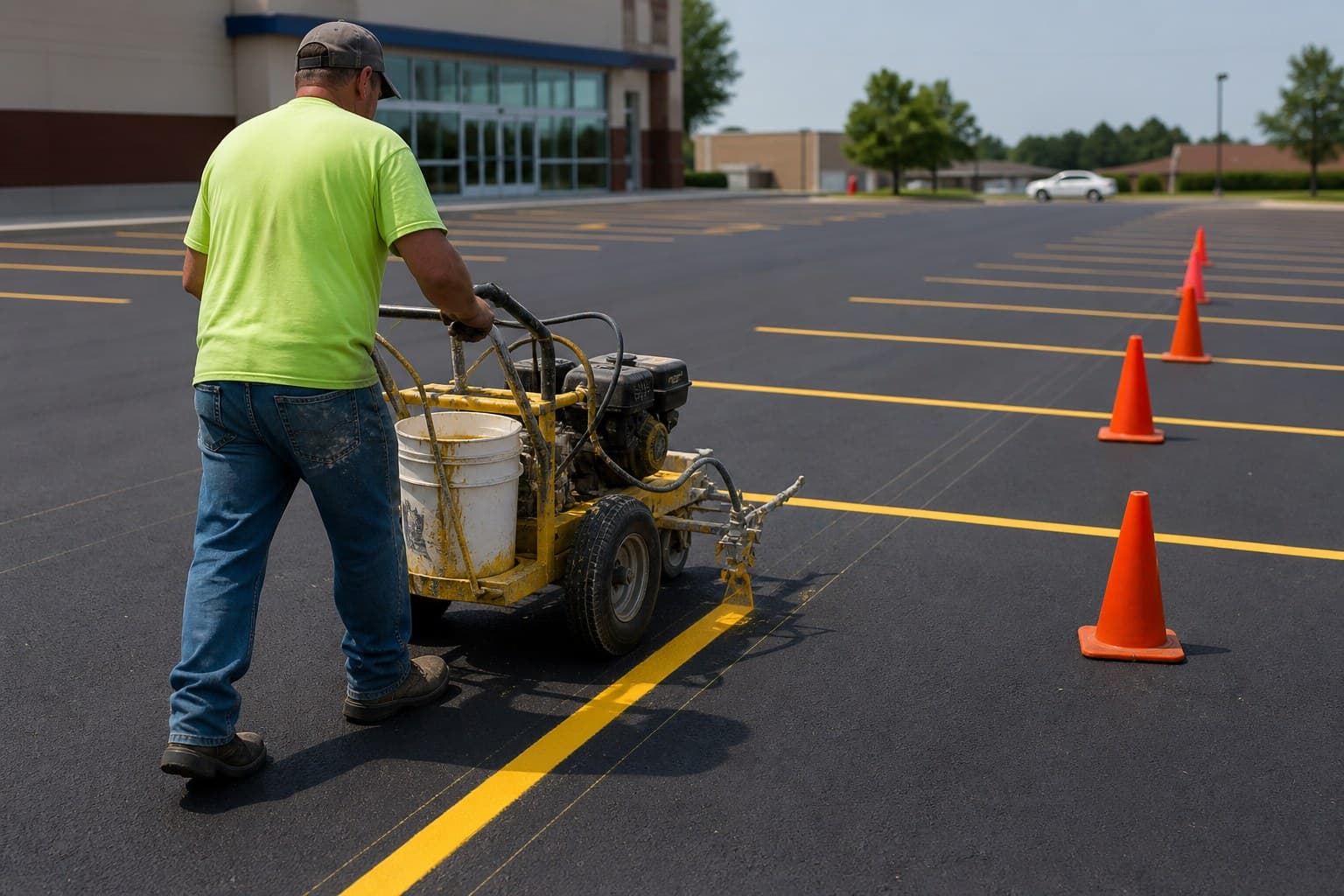
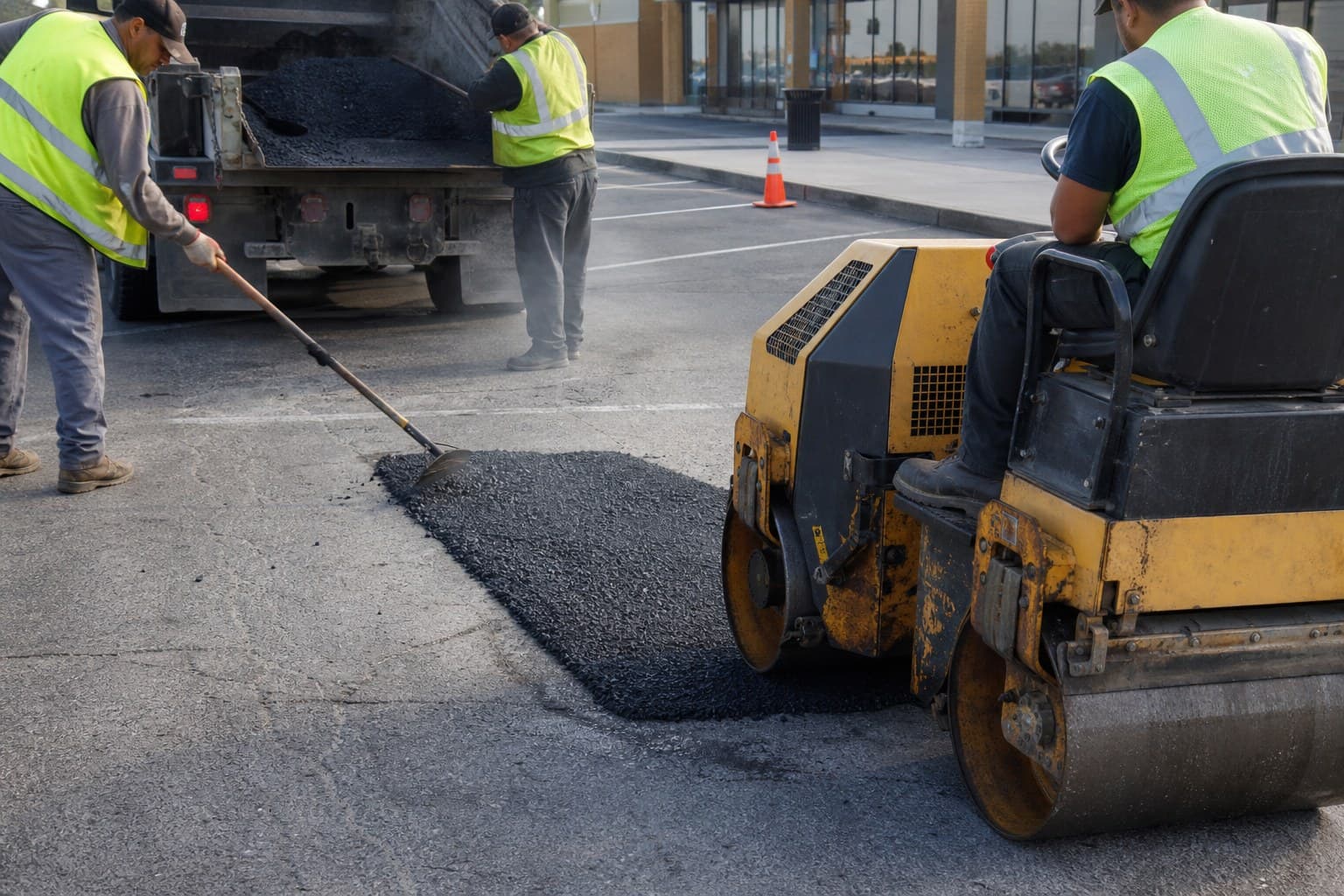
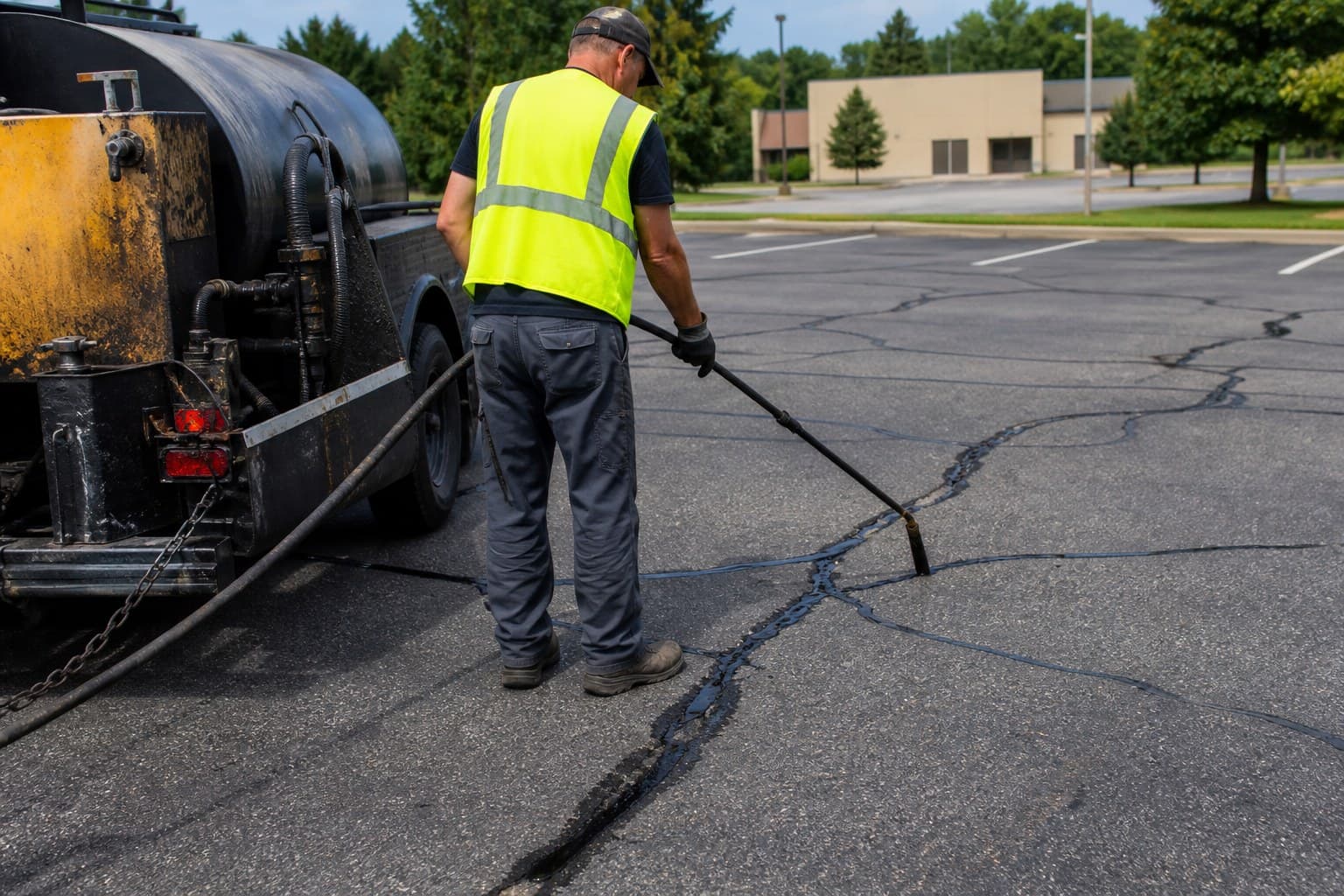
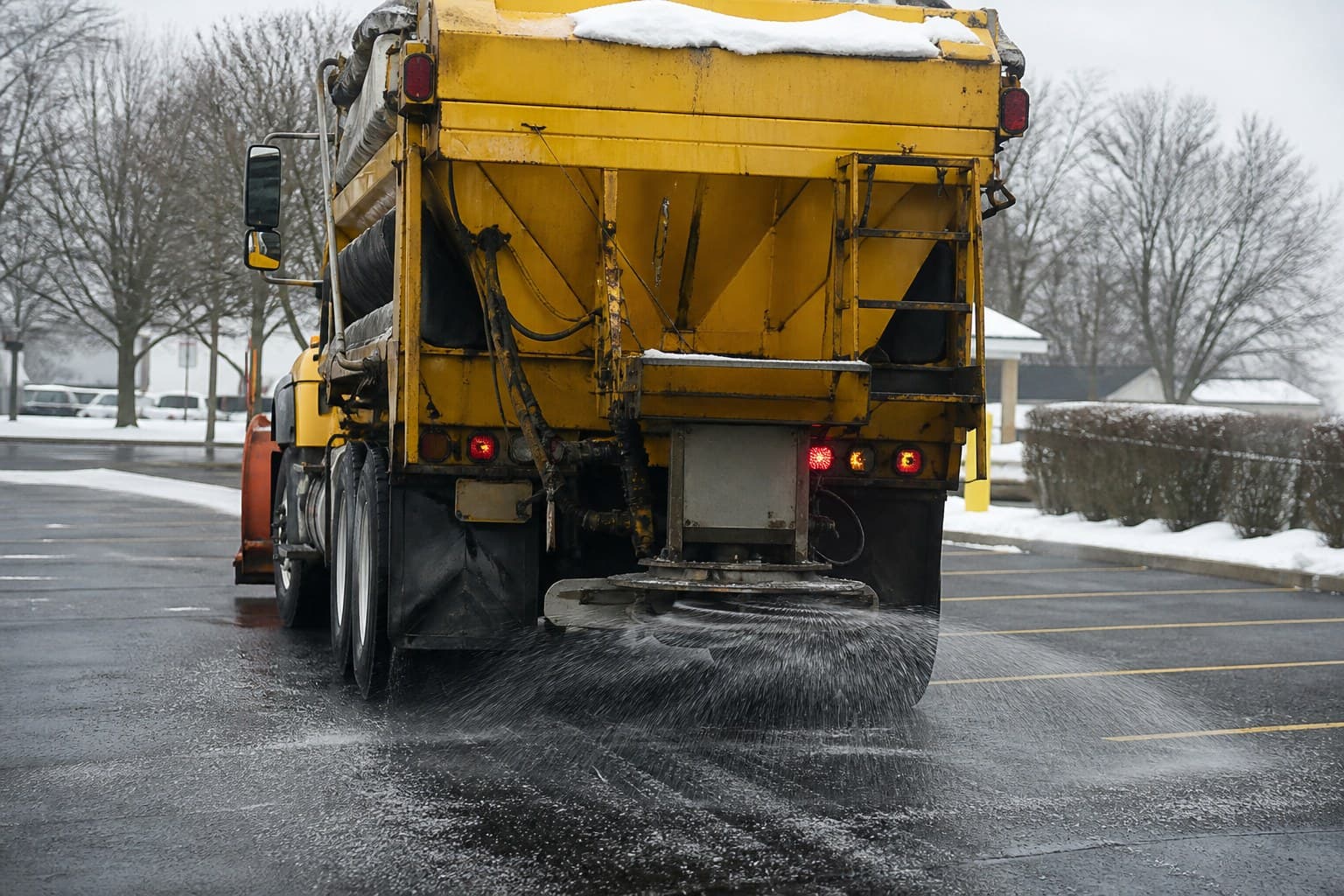
For the owners, crews, and specialists who pave, sealcoat, stripe, rejuvenate, repair, and maintain our roads, parking lots, driveways, and sidewalks.
Your place in the trade
From independent owner-operators to national businesses, NPMCA connects the people doing the work with industry resources, professional development, and membership programs.
For the shop and its owner. Compare association membership with PavePro options for business tools and personal care programs.
Business plans & pricesFor people working in the industry. Explore PaveCare and PaveCarePlus, including rates for employees of member companies.
Individual plans & pricesA public industry resource
Search the contractor directory without signing in. Business owners can find their company and see how it appears to customers, then contact NPMCA about their listing and membership.
Member resources
Sign in to browse the member boards and Academy. An active business membership is required to post jobs or equipment.
Explore industry learning and professional development.
Shop tool
Show the finished job before you mobilize.
Open PaveLookShop tool
See the lot before you send a truck.
Open PaveScanShop tool
Proof you can check.
Open ContractorVeriCheckPavement preservation
Pavement Condition Index (PCI) describes pavement condition on a 0–100 scale. Timely maintenance helps preserve useful pavement before deterioration calls for more extensive rehabilitation.
Source: Federal Highway Administration · Pavement Preservation Compendium (FHWA experience, not a 2026 study)
American pavement
Explore the roads, materials, machines, and people that shaped American pavement.
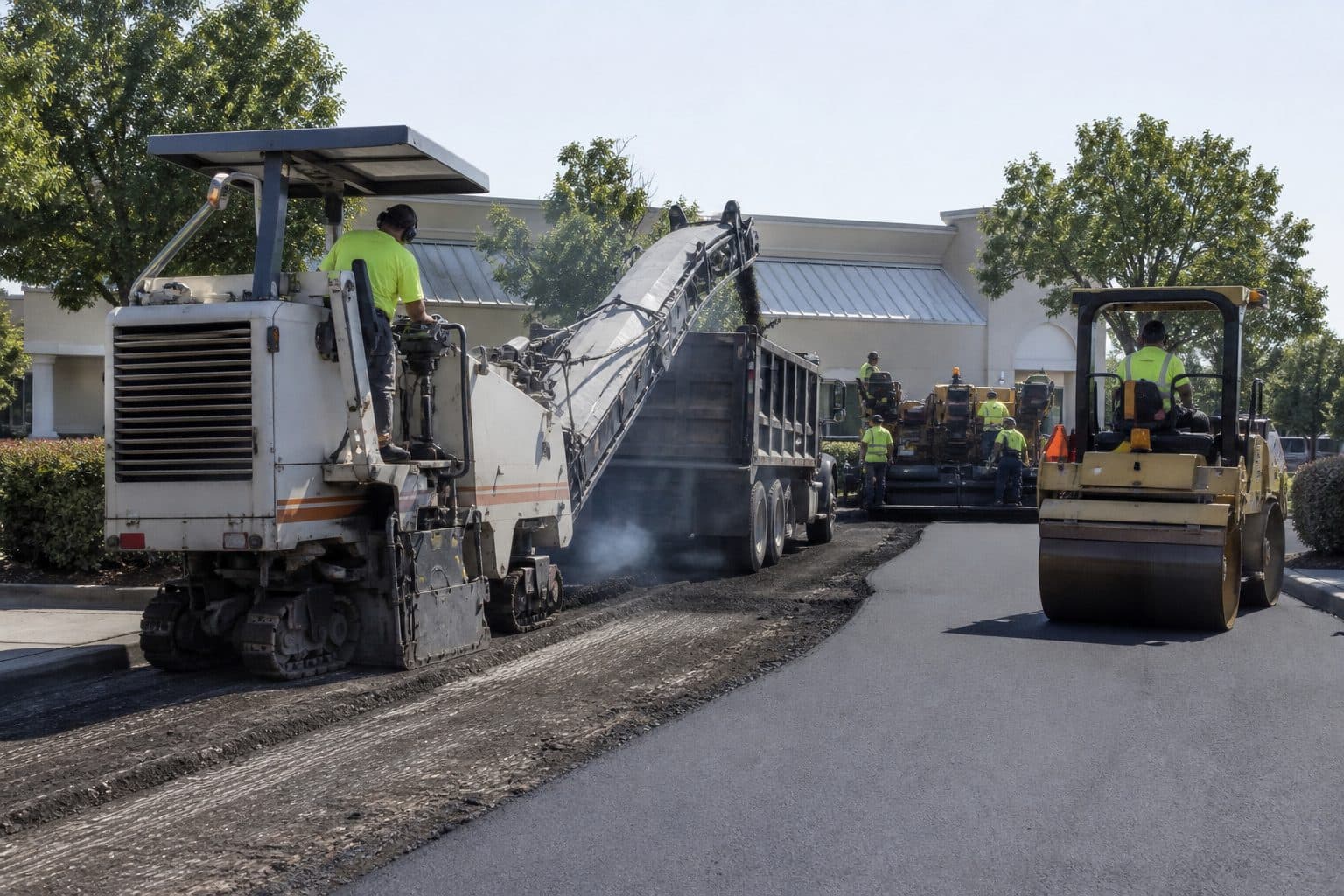
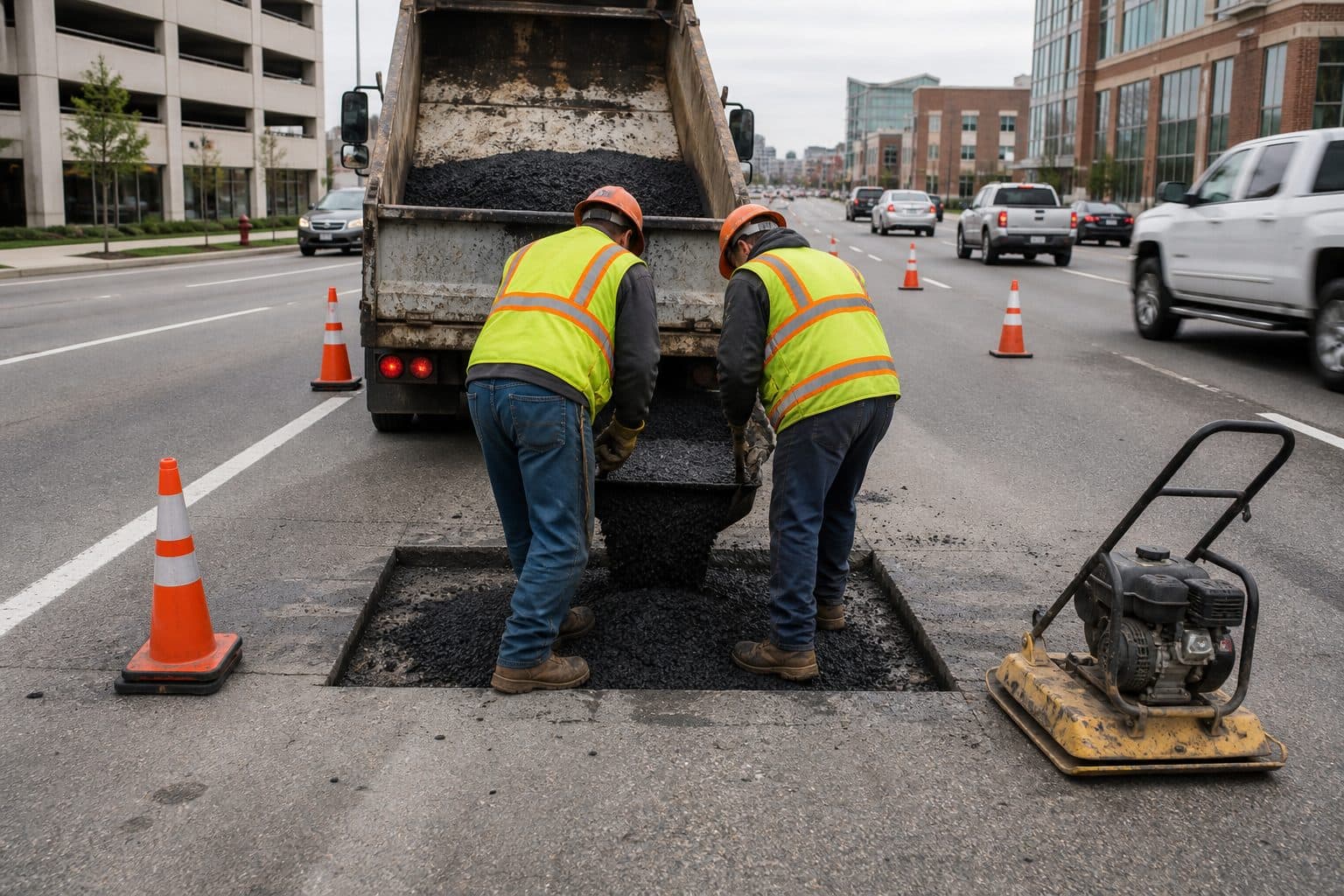
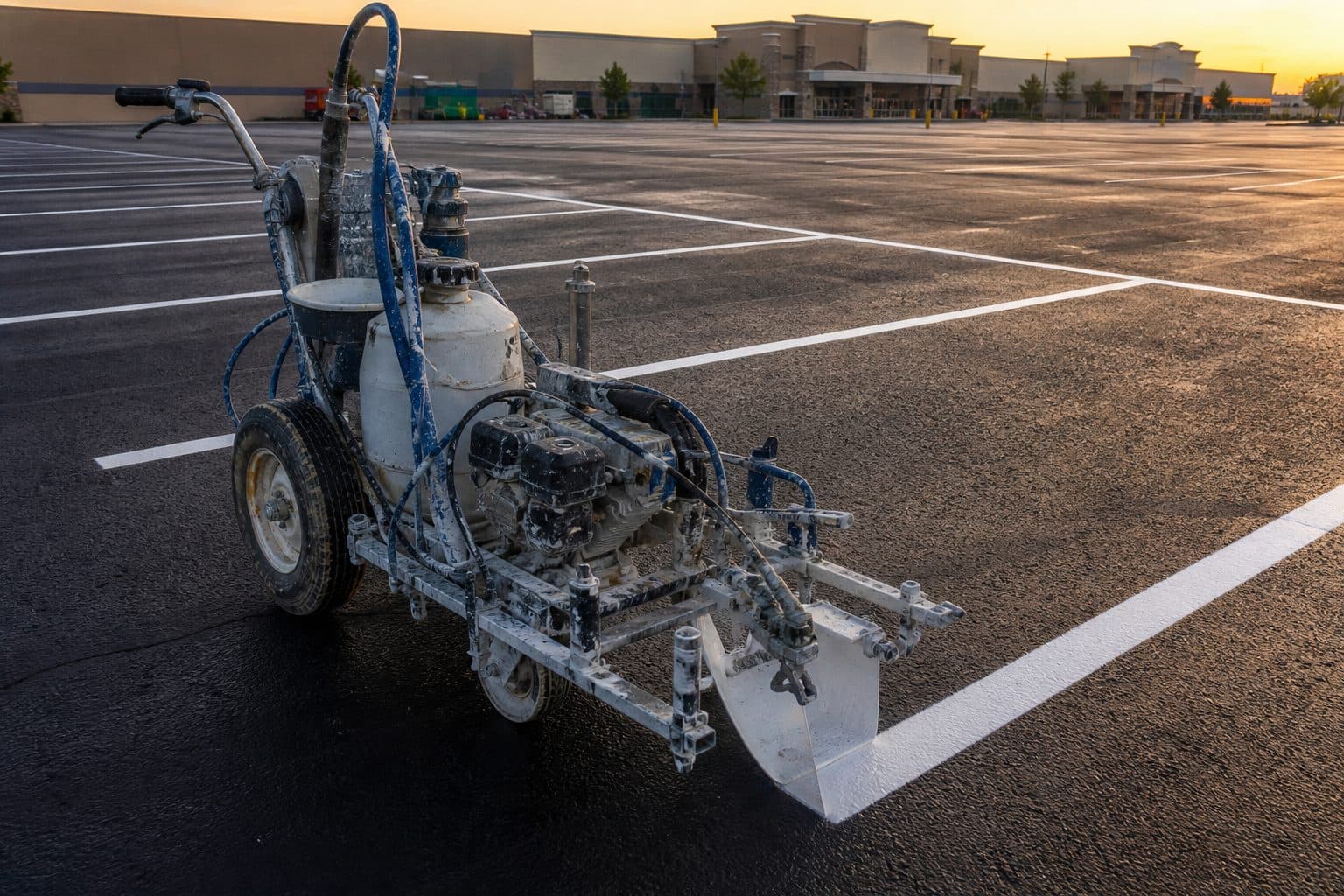
Over 115,000 pavement contractors representing over 950,000 workers build, repair and maintain American Road.

Industry history
More than 150 years of materials, machinery, and craftsmanship shaped this trade. This timeline tells the history of the pavement industry. NPMCA carries that work forward by serving today's contractors and crews.
Pennsylvania Avenue in Washington, D.C. is paved with sheet asphalt in 1877 — the first modern asphalt road in the United States. The pavement maintenance industry is born.
Industrial-scale hot-mix asphalt plants begin operating in major cities. Roads that once turned to dust now last for decades — if maintained properly.
As the Model T floods American roads, pavement maintenance becomes a public necessity. The Bureau of Public Roads standardizes construction and preservation practices.
Eisenhower signs the Federal-Aid Highway Act, launching the world's largest public works project. 41,000 miles of highway will require continuous preservation.
Parking lot sealcoating emerges as a specialized trade. For the first time, contractors focus exclusively on preservation rather than new construction — extending pavement life at a fraction of replacement cost.
Coal tar emulsion and asphalt emulsion sealers are refined for commercial use. The pavement preservation industry finds its first real chemistry.
Rubberized hot-pour crack sealants extend pavement life by decades. The FHWA officially recognizes pavement preservation as a cost-effective alternative to reconstruction.
Lifecycle cost analysis enters the mainstream. Municipalities and DOTs begin treating pavement as an asset to manage — not an emergency to respond to.
Infrared asphalt repair enables seamless patching. Environmentally friendly sealer formulations gain adoption as coal tar is phased out in many states.
GPS fleet management, satellite measurement, and digital estimating arrive. The solo sealcoater now runs the same technology as a multimillion-dollar general contractor.
Drone surveys, predictive maintenance models, AI-driven estimating, and automated fleet dispatch transform a traditionally analog trade into a data-driven industry.