
NPMCA field guide · Public tools and downloads
Grow a Pavement Maintenance Business to Multiple Crews
Build another crew only after the current work can be handed off, delivered and paid for reliably. Model equipment, payroll, supervision and delayed collections together before deciding how much capacity to add.
Author: NPMCA · Updated · Version 1
Sources are checked; this is general education, not professional advice.
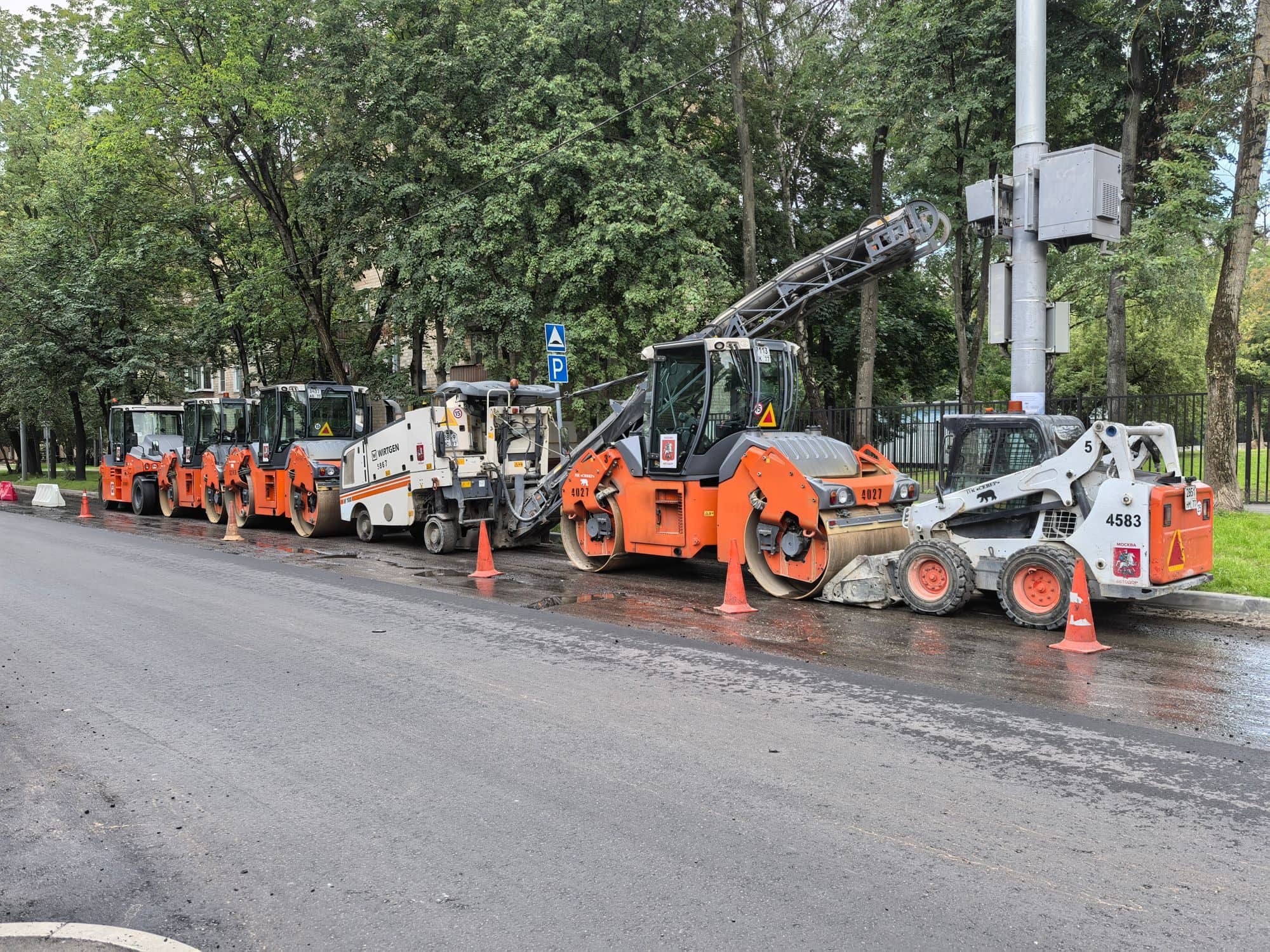
Photo: Andrey Matveev / Pexels, Pexels License
Before you start
- Closed-job records showing quantities, hours, costs, rework and collections.
- A repeatable job packet and a trained potential lead.
- Current quotes for the full added operation and a cash forecast.
What you will finish with
- A second-crew business case with slower-collection and downtime scenarios.
- A dispatch/crew handoff packet with decision authority.
- A closeout and quality record across jobs.
Source note: sources below were checked as of October 11, 2026. Product revisions, local rules and your written quotes control the actual job. Unknown costs stay blank.
Check whether the current operation is repeatable.
Read the recent job records before treating a backlog as evidence that buying another rig is the answer.
Backlog, collections and actual job margins
Separate signed suitable work from enquiries. Compare estimates with actual direct costs and allocated-overhead results, and show when customers paid. Uncollected sales cannot fund payroll by themselves.
Owner bottleneck and trained lead
List the tasks that still require the owner on every job. Confirm a lead can handle scope, quality, weather, changes and customer communication before assuming the owner can leave.
Quality and rework evidence
Review callbacks, missed preparation, layout errors and incomplete closeouts. Correct a repeatability problem before copying it to another crew.
Model a second crew before buying the rig.
Compare several ways to deliver additional work on the same scope and cash assumptions.
Full equipment/payroll/support cost
Include equipment, vehicle/transport, storage, tools, coverage, payroll/training, dispatch and administration. The application machine is one line, not the cost of a second operation.
Working capital and slower-collection scenario
Schedule the outflows before receipts and test delayed payment, downtime and less work. Record the lowest cash balance and who funds it; no revenue or profit threshold is supplied.
Rent, partner or additional crew alternatives
Compare renting, scheduling the existing crew differently or using a qualified partner with written responsibilities. Use current quotes and actual capacity rather than assumed subcontractor savings.
Standardize the job packet and handoff.
The lead needs the same version of the scope that the customer accepted, plus a clear route for decisions outside it.
Confirmed scope, quantities and product sources
Include the signed scope, field drawing, deductions, product revisions, batch/lot records, quantities and approved layout. Mark the current version and remove obsolete copies from dispatch.
Traffic/safety/weather decision
Attach the job hazard review, closure responsibilities, emergency access and product/site weather record. Name who releases or postpones the job.
Change orders, photos and customer communication
Define what the lead may approve, who prices a change and who informs the customer. Require dated evidence before hidden extra work becomes a closeout dispute.
Dispatch and support crews.
A workable dispatch plan matches materials, machines, people and access instead of listing addresses alone.
Material/vehicle readiness
Check selected product/batch, quantity, load/payload, transport, machine condition and required spares. Keep a readiness failure visible so the schedule can change.
Routes, closure windows and shared equipment
Plan travel, delivery/refill, customer closure and shared tool conflicts. Include support work and breaks in capacity instead of treating every crew hour as application.
Lead authority and escalation
Give the lead a clear call route for unsuitable pavement, safety/weather holds, missing product, changed markings and customer disagreement. Define response responsibility when the owner is on another site.
Keep quality and books visible across jobs.
Close each job into the same records so comparisons use the same definitions.
Actual hours/materials/rework
Record paid time by task, actual material use, waste and correction work. Use causes and notes, not an invented crew productivity score.
Job closeout and receivables
Confirm completion evidence, approved changes, invoice delivery and due date. Track payment and dispute status with the job record while keeping customer information private.
Coaching and corrective action
Review one specific deviation with the lead, agree the correction and check it on a later job. Standardize a successful improvement across both crews.
Expand service or geography deliberately.
New places or specialist services add requirements even if the current crew performs familiar work.
Local licensing, insurance and supplier reach
Recheck the exact scope with the destination authorities, insurer and product supplier. Verify local restrictions, transport, stock and emergency support before accepting the job.
Sweeping/paving as later specialist plans
Sweepers and pavers need their own equipment, people, disposal/supply and technical scope planning. This guide's paver decision is not a full paving-business launch plan.
Keep customer experience reliable
Keep inspection, quoted scope, updates, traffic release, closeout and payment processes usable as workload changes. Stop adding demand when those commitments cannot be met.
Prepare a second-crew business case and handoff
Review the current operation
Collect closed-job cost, rework, capacity and receipt evidence and identify owner-only tasks.
Gather equivalent quotes
Price the full added equipment, payroll, coverage and support operation and compare rent/partner choices.
Build the cash scenarios
Schedule actual obligations against accepted work and test lower work, repairs and slower receipts.
Verify lead readiness
Record demonstrated task, scope, safety/weather, customer and closeout competence.
Prepare the job packet
Use one current scope/product/quantity version with authority and escalation instructions.
Set a review date
Compare actual quality, costs and collections with the business case before adding further commitments.
Public tools
Use these without an account. Enter your own measurements and quotes. Save records on this device or export a copy for your job folder.
Your working record
Records stay in this browser. Export before switching devices. Do not enter bank details, identification numbers or private customer information.
Download the working documents
Version 1 · As of 2026-10-11. PDF for printing; DOCX and spreadsheets for editing. No email or membership required.
Tools you get as an NPMCA member
Confirmed access and plan limits
Optional member resources. Your plan and the member app determine access. The guide and its public tools work without membership.
Available catalog deals
These live catalog resources include practical tools, help and deals. Check each row's eligible plans and terms in the member app.
- PaveCare Navigator
Compare care price options for your membership and location. Confirm the selected service and final price with the provider. This tool is not insurance.
Plans: PaveCarePlus; NPMCA Business PavePro with PaveCarePlus. Catalog checked as of 2026-10-11.
- Deals, Perks & Savings
Browse member offers in NB Deals. Confirm account access and read the selected offer terms.
Plans: PaveCare; PaveCarePlus; NPMCA Business PavePro with PaveCare; NPMCA Business PavePro with PaveCarePlus. Catalog checked as of 2026-10-11.
- Travel — Member Hotel Rates
Member hotel booking with the current phone access shown in the app. Confirm the complete price and cancellation terms before booking.
Plans: PaveCare; PaveCarePlus; NPMCA Business PavePro with PaveCare; NPMCA Business PavePro with PaveCarePlus. Catalog checked as of 2026-10-11.
- More Travel Deals
Travel booking through the phone access listed in the member app. Check current booking terms.
Plans: PaveCare; PaveCarePlus; NPMCA Business PavePro with PaveCare; NPMCA Business PavePro with PaveCarePlus. Catalog checked as of 2026-10-11.
- LotDesk
Keep lots, quantities and proposals in one place. Open LotDesk from the member app home. An active business plan is required.
Plans: NPMCA Business Membership Only; NPMCA Business PavePro with PaveCare; NPMCA Business PavePro with PaveCarePlus. Catalog checked as of 2026-10-11.
- Business Tax Hotline
Help with business tax questions. This benefit does not process payroll or keep your books.
Plans: NPMCA Business PavePro with PaveCare; NPMCA Business PavePro with PaveCarePlus. Catalog checked as of 2026-10-11.
- Small Business Legal Plan
Business legal help under the plan terms. Confirm whether a particular question is covered and ask about fees before work begins.
Plans: NPMCA Business PavePro with PaveCare; NPMCA Business PavePro with PaveCarePlus. Catalog checked as of 2026-10-11.
- Credit & Collections
Tucker Albin referral help with unpaid business invoices. Active PavePro with PaveCare or PavePro with PaveCarePlus membership is required. Check provider terms; recovery is not guaranteed.
Plans: NPMCA Business PavePro with PaveCare; NPMCA Business PavePro with PaveCarePlus. Catalog checked as of 2026-10-11.
PaveCare health benefits are not insurance. Household access is an optional paid add-on. Compare membership plans.
New company offer
Details being finalized
Frequently asked questions
What evidence shows I am ready for a second crew?
Repeatable completed work, reliable collections, usable actual costs, controlled rework and a lead who can handle the job packet without constant owner intervention.
Should I hire a lead before buying equipment?
Confirm who will lead and what training remains before treating equipment as added delivery capacity. The sequence depends on your documented operation.
How much cash will expansion need?
Calculate the lowest balance from the full added costs and receipt dates, including training, downtime and slower collections. No national amount is provided.
What belongs in a crew job packet?
The confirmed scope/drawing, product and batch sources, quantities/layout, closure/hazard/weather decisions, changes, contacts and closeout/payment fields.
How do I keep quality consistent?
Use the same verified procedures and records, observe work, track causes of rework and check corrections with each lead.
When is subcontracting a better option?
Compare a qualified partner's written equivalent scope and responsibilities with your own capacity and cash needs. Verify classification and local obligations separately.
What changes when I enter another state?
Recheck service-specific licensing, employer/insurance obligations, product rules, transport and local permits; your home-state answer may not apply.
How do I know whether the extra crew improved the business?
Compare collected revenue, actual costs, rework, owner/support hours and cash with the original business case on the same basis.
Related guides
Sources and corrections
- SBA: Plan your business · As of 2026-10-11 · Business cost categories; no pavement prices.
- IRS Publication 583: Starting a business and keeping records · As of 2026-10-11 · December 2024 edition; check later revisions.
Found an error or an outdated source? Send NPMCA a correction with the page and source.
Return to the Start a Business guide →