
Lesson P102.12 · Personal Finance 102: Credit, Debt and Setbacks
Money traps: scams, identity theft and betting apps
5-minute read · Figures checked October 2026
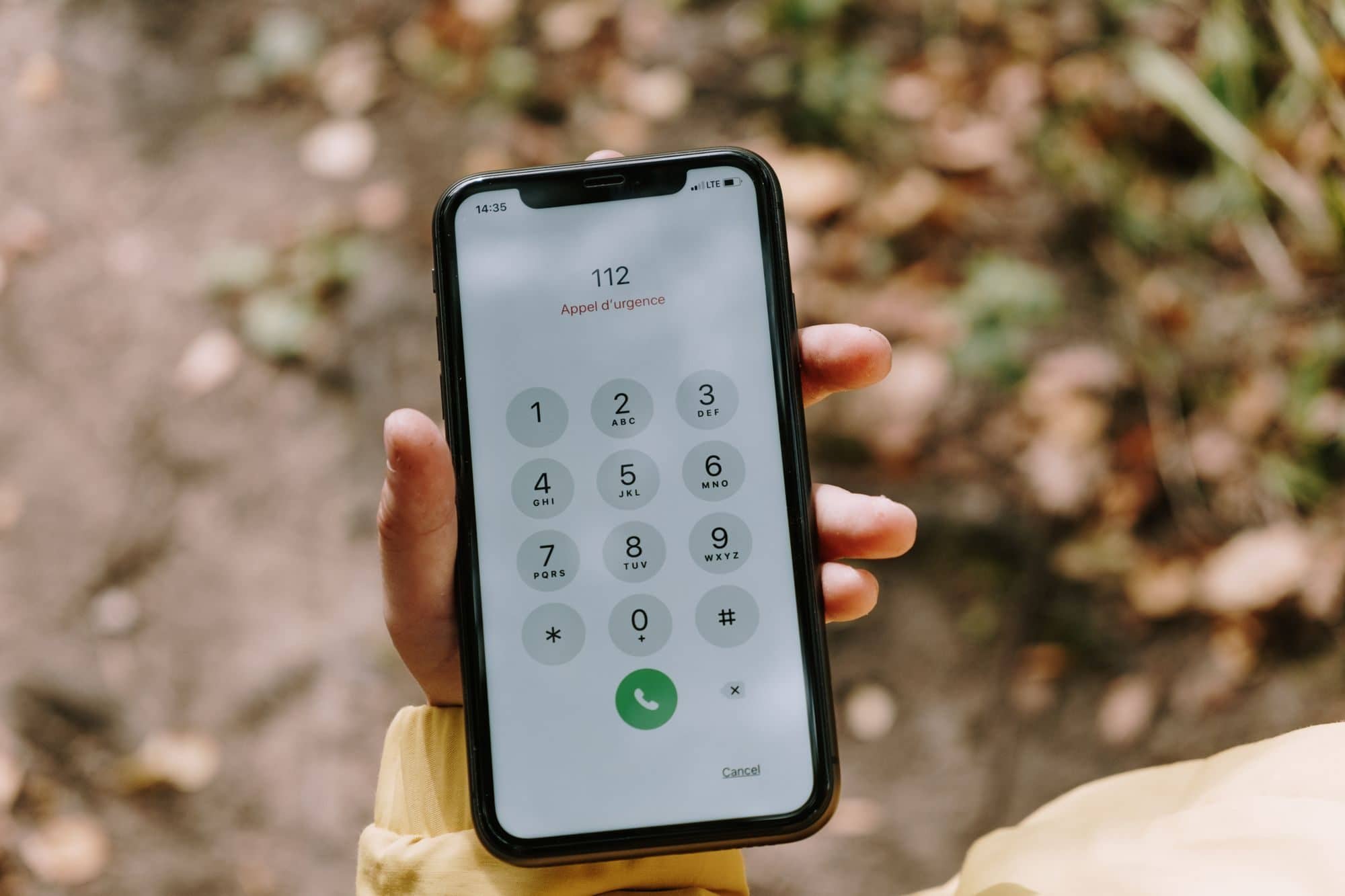
Photo: cottonbro studio / Pexels, Pexels License
The short answer
If anyone tells you to move your money to a "safe account," it's a scam: hang up and call the number on the back of your card. Freeze your credit at all three bureaus; it's free and doesn't hurt your score. Pay only people you know through payment apps, and never send money to someone you've only met online. Betting apps are built to keep you playing, and free, confidential help is a call or text away at 1-800-MY-RESET.
The scams that go after working people
| The scam | How it goes | What to do |
|---|---|---|
| "Move your money to a safe account" | A call or text that looks like it's from your bank, the FTC or another agency says your money is at risk and has to move today | Hang up. Call the number on the back of your card. The FTC will never tell you to move money to protect it |
| Fake checks | Someone sends a check for too much and asks you to send back the difference | Don't send it. Money can show in your account before a check proves good, and if it's fake, you pay the bank back |
| Job scams | A job offer has you deposit a check and pass part of it on, or pay for training or a starter kit | Honest employers never ask you to pay to get a job |
| Payment app scams | A buyer or seller you don't know wants to be paid by Zelle | Pay only people you know and trust. Zelle has no purchase protection |
| IRS impersonation | A caller demands payment right now by gift card, prepaid debit card or wire, or threatens arrest | The IRS normally contacts you first by mail. Demands to pay now and threats are signs it isn't the IRS |
| Ghost preparers | A tax preparer who won't sign your return | Use a preparer who signs. You're responsible for what gets filed |
| Romance and crypto scams | Someone you met online asks for money, gift cards or crypto, or offers to help you invest in crypto | Never send money to someone you haven't met in person |
One rule covers most of these: don't use the phone number, link or app in the message you got. Use a number, website or app you already know is real.
Example: Lena gets a text that looks like her bank's: "Did you make a $412 purchase? Reply YES or NO." She replies NO, and a "fraud specialist" calls a minute later. He says her account is compromised and she needs to move her money to a new safe account today. She hangs up, calls the number on the back of her debit card, and learns her account is fine.
Lock down your identity
A credit freeze stops anyone, including you, from opening new credit in your name. It costs nothing to place or lift, and it doesn't affect your score. You have to contact all three bureaus: Equifax, Experian and TransUnion. When you need to apply for credit, a job, an apartment or insurance, lift it for a while and put it back after.
A fraud alert is lighter. It tells businesses to check that it's really you, but they can still see your report. An initial alert lasts one year, and the bureau you contact has to tell the other two. An extended alert lasts seven years and needs an identity theft report.
If money leaves your account without your OK, tell your bank fast. If your debit card or PIN was lost or stolen, report it within 2 business days of finding out and federal rules cap your loss at $50. Wait longer and it can reach $500, or more if you go past 60 days after the statement. If your card wasn't lost or stolen, report a charge you didn't make within 60 days after the statement showing it is sent, and you won't owe it. If your identity is stolen, IdentityTheft.gov builds a recovery plan step by step.
Betting apps
Sports betting and casino apps are built to keep you playing. The safest move is to stay off them, and never bet money meant for bills, your cushion or your Winter Fund.
The National Council on Problem Gambling lists warning signs, including:
- Feeling the need to bet more money, more often.
- Trying to win back losses, also called chasing losses.
- Feeling restless or irritable when you try to cut back.
- Betting on even when it's causing problems.
Example: Marcus bets $20 on a Thursday game and loses. He bets $50 to win it back, then $100, then $130. By Sunday he's down $300, his share of the power bill. That's chasing losses.
Help is free and confidential, any time: call or text 1-800-MY-RESET (1-800-697-3738), or chat at ncpgambling.org.
Your Move
Do this week
- Freeze your credit at Equifax, Experian and TransUnion. It's free. Keep the PINs or logins somewhere safe.
- Turn on alerts in your bank app for withdrawals, transfers and card purchases.
- Save the number on the back of your card in your phone as "My bank (real)."
- If betting is costing you money you need, call or text 1-800-MY-RESET.
Log it: Froze my credit and turned on bank alerts.
Common questions
Does a credit freeze hurt my credit score?
No. It's free to place and lift, and it doesn't affect your score.
How do I know it's really the IRS?
The IRS normally contacts you first by mail. A caller who demands payment now, threatens arrest, or won't let you question or appeal what you owe is an impersonator.
What if I already sent money to a scammer?
Call your bank or payment app right away, then report it at ReportFraud.ftc.gov. If money left your account without your OK, the reporting deadlines above apply, so don't wait.
Watch out for
- Anyone who wants payment by gift card, wire transfer or crypto.
- A "fraud department" that calls you right after a text. Call your bank yourself.
- Betting app bonus offers tied to making a deposit.
Free help
- Federal Trade Commission (FTC): IdentityTheft.gov
- FTC: ReportFraud.ftc.gov, to report a scam
- FTC: Credit freezes and fraud alerts
- National Problem Gambling Helpline: call or text 1-800-MY-RESET (1-800-697-3738), or chat online
- 988 Suicide & Crisis Lifeline: call or text 988, any time
Free practice
Lesson check
5 questions on this lesson, one at a time, with the answer and the reason after each. Pass with 4 right, including every must-know question.
This is general education, not tax, legal, investment or insurance advice. Rules change and every situation is different. Check the sources below, and talk to a qualified professional before you act on it.
Sources
- Federal Trade Commission: Did someone tell you to move or transfer your money? It could be a scam
- Federal Trade Commission: How To Spot, Avoid, and Report Fake Check Scams
- Federal Trade Commission: Job Scams
- Zelle: I'm unsure about using Zelle to pay someone I don't know. What should I do?
- Internal Revenue Service: How to know it's the IRS
- Internal Revenue Service: Recognize tax scams and fraud
- Internal Revenue Service: Dirty Dozen tax scams for 2026
- Federal Trade Commission: What To Know About Romance Scams
- Federal Trade Commission: Credit Freezes and Fraud Alerts
- Consumer Financial Protection Bureau: Regulation E, Section 1005.6: Liability of consumer for unauthorized transfers
- Consumer Financial Protection Bureau: Report suspicious charges if account data is hacked
- National Council on Problem Gambling: Problem Gambling Awareness Month fact sheet
- National Council on Problem Gambling: 1-800-MY-RESET announcement
- Federal Trade Commission: IdentityTheft.gov
- 988 Suicide & Crisis Lifeline: 988lifeline.org
All lessons in Personal Finance 102: Credit, Debt and Setbacks →