
Lesson B102.6 · Business Finance 102: Bank-Ready
Equipment financing: what lenders check and how to read the deal
7-minute read · Figures checked October 2026
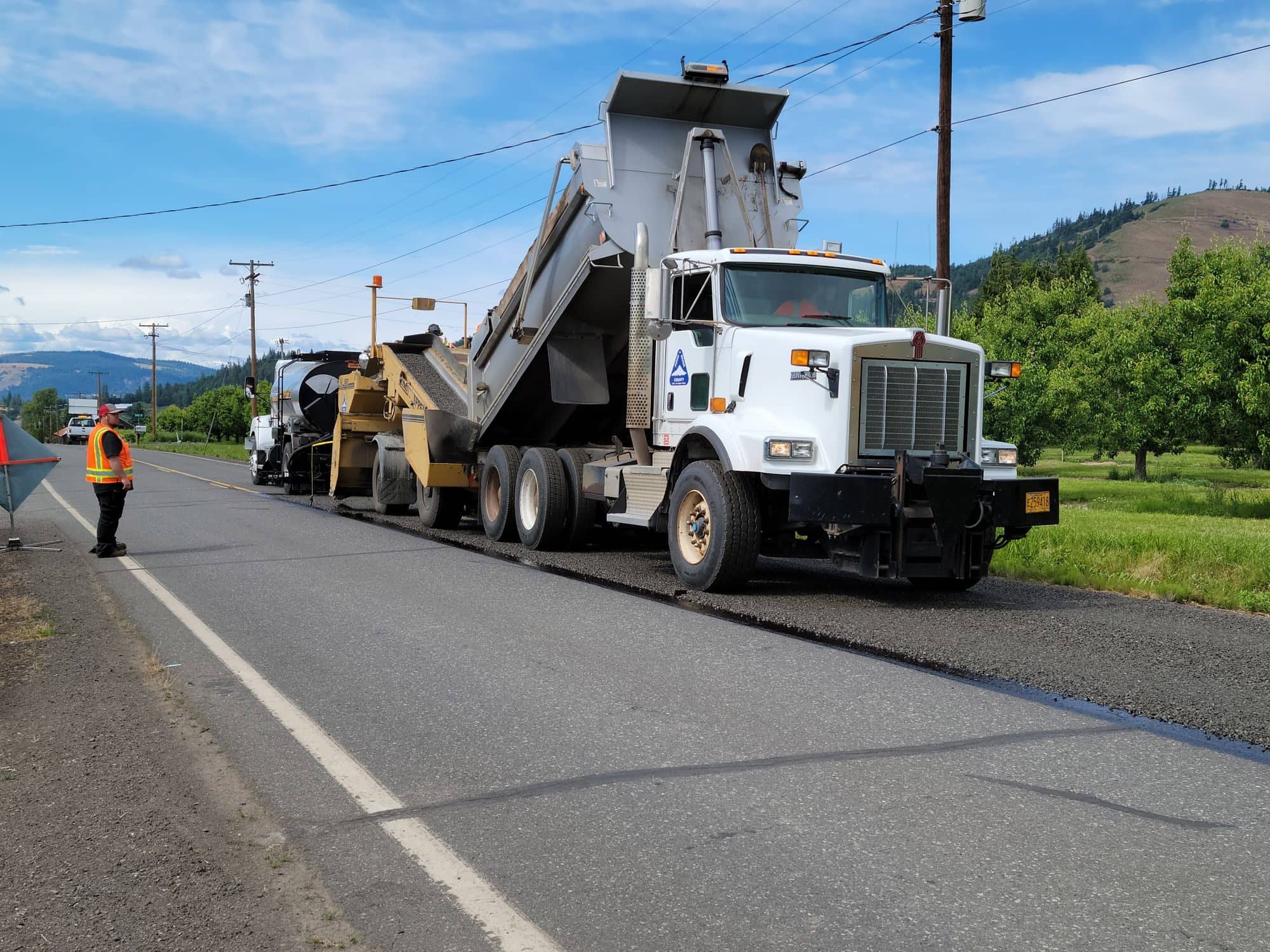
Photo: Tom Shamberger / Pexels, Pexels License
The short answer
Equipment lenders mostly look at how long you've been in business, the owners' personal credit, your revenue and bank statements, and the machine itself. Published terms often ask for two years in business and personal credit scores of about 600 to 650 or higher, and bigger deals need financial statements. Before you sign, compare the APR and the total of payments, keep the term inside the machine's working life, and run the five Borrowing Rules.
What equipment lenders publish
These are each lender's own published terms, checked in October 2026. They're named only as examples, not recommendations, and terms change, so check the lender's page.
| Lender | Time in business | Credit | Other published terms |
|---|---|---|---|
| Ascentium Capital | 2+ years | FICO 650+ for each guarantor | Guarantors covering 51% of ownership |
| Crest Capital | 2+ years; no start-ups | Not listed here | Application-only under $250,000; deals of $10,000–$0.5 million |
| Currency | 2+ years helps | 600+ FICO helps | Application-only up to $0.5 million; little or no down payment; used equipment and private-party sales; long-haul trucks and trailers up to about 10–12 years old |
| Ameris Equipment Finance | 2 years | FICO 640+ | $100,000 in revenue; application-only up to $0.5 million for hard collateral, $350,000 for soft |
Swipe the table sideways to see every column.
"Application-only" means the lender decides from your application and credit, without full financial statements, up to a set amount. Above that, expect to send tax returns and financial statements. The Equipment Leasing and Finance Association's monthly survey of its member lenders put the industry-wide average approval rate at 77.4% in July 2026.
Start-ups: fewer choices, more cash down
Most of the lenders above want two years, and one says no start-ups. Some lenders say they work with start-ups, so ask each one directly. Typically, a newer business that gets approved puts more money down, pays a higher rate, or both.
SBA microloans are another route. Nonprofit community lenders make them, up to $50,000, and they can pay for equipment. Each lender makes its own credit decisions and sets its own terms, so ask what collateral or personal guarantee it requires.
The cash-first route for a new business: rent, buy used with cash, and let the first two seasons prove the machine earns its keep.
Read the deal before you sign
| Ask | Why it matters |
|---|---|
| What's the APR, and what's the total of payments? | The monthly payment hides the cost |
| How long is the term, and how long will this machine really work? | It should be paid off before it wears out |
| Is it a loan or a lease? If a lease, is the buyout $1 or fair market value? | A $1 buyout works like a loan. A fair market value lease has lower payments, but you give it back or pay what it's worth then. |
| What are all the fees: documentation, origination, late and end-of-lease? | Fees raise the real cost |
| Is there a prepayment penalty? | A good season might let you pay it off early |
| Who signs a personal guarantee? | It puts your personal assets behind the loan |
| What do you file a lien on: this machine only, or all business assets? | A lien on everything can make other lenders hesitate |
| What insurance do you require? | Lenders typically require coverage on the machine |
| What happens if I miss a payment in winter? | Know the default terms before you need them |
Kansas and Missouri require many non-bank providers to disclose the total of payments, the total dollar cost and any prepayment terms on business financing of $0.5 million or less. Banks are exempt, and so are leases and loans used to buy the equipment that secures them. That leaves out many equipment deals, and the disclosure doesn't have to show an APR anyway. Get every number in writing yourself.
Example (made-up numbers). Ray wants a used crack-sealing machine priced at $40,000. He expects it to keep working about four more years.
| Detail | Offer A | Offer B |
|---|---|---|
| Payment | $830 a month for 60 months | $1,250 a month for 36 months |
| Fees | $395 documentation fee | None |
| Total of payments and fees | $50,195 | $45,000 |
| APR (from the payments, with the fee paid at signing) | About 9.4% | About 7.8% |
Offer A's payment is $420 lower, but it costs $5,195 more and runs five years on a machine Ray expects to last about four. It fails Borrowing Rule 4. Offer B passes rule 4, but four winter payments are $5,000 that has to be saved before December. If that doesn't fit, the answer is a cheaper machine, more cash down, or waiting a season. A longer term is not the fix.
The five Borrowing Rules
- It pays for something that earns money: equipment or a vehicle the business uses, property, or the short gap between finishing signed work and collecting for it. Never losses, back taxes or personal spending.
- Your own numbers show it pays for itself with room to spare. Lenders often look for $1.25 of cash flow for every $1 of payments; treat that as your floor.
- The payment fits your slowest months, not your best ones.
- It's paid off before the equipment wears out, and you know how you'd keep paying if work stopped for a season.
- You know the whole cost before you sign: the APR, every fee, the total of payments, any prepayment penalty, the personal guarantee, and what the lender can take.
Never: merchant cash advances or other daily-debit financing; borrowing to cover a loss; cashing out or borrowing from retirement to start or rescue a business.
The Finance-Ready checklist
Gather these before you apply:
- Proof of time in business: formation papers and your IRS EIN letter
- Personal credit reports for each owner who may sign a guarantee, pulled free and checked for errors
- Recent business bank statements (ask how many months), with a note explaining any overdraft
- Year-to-date profit and loss and balance sheet, plus two years of tax returns for bigger deals
- A debt schedule
- The quote or bill of sale: year, make, model, serial number or VIN, hours, and photos if used
- Your down payment in cash, kept separate from your winter reserve
- An insurance quote for the machine
- Your Borrowing Rules check: the payment against your slowest months, and the term against the machine's working life
Different approaches
Where respected teachers differ
Ramsey's EntreLeadership teaches that the right amount of business debt is zero: build cash, be your own line of credit, and pay cash, rent or buy used for equipment. Many owners finance equipment under strict rules. The National Pavement Maintenance Contractors Association (NPMCA) teaches cash-first, and if you borrow, the five Borrowing Rules.
Your Move
Do this week
- Gather the Finance-Ready checklist into one folder.
- If you have an offer, write down its APR, total of payments, every fee, the term and the buyout.
- Ask the lender, in writing, for any number that's missing.
- Run the five Borrowing Rules. If the deal fails one, don't sign it.
Log it: Finance-Ready checklist gathered.
Common questions
What credit score do I need for equipment financing?
It depends on the lender. The published terms in this lesson run from about 600 to 650 or higher for owners and guarantors.
Can a new business get equipment financing?
Some lenders work with start-ups, but many want two years. Expect more cash down or a higher cost. SBA microloans of up to $50,000 can also pay for equipment.
Is a lease better than a loan?
Neither is always cheaper. Compare the total cost, including the buyout. A $1-buyout lease works like a loan. A fair market value lease costs less each month, but the machine isn't yours at the end unless you buy it.
Watch out for
- A quote that shows only the monthly payment.
- A term longer than the machine will last.
- A lien on all your business assets to finance one machine.
- Pressure to sign the same day, or a "today only" rate.
Free help
- SBA: microloans through nonprofit community lenders.
- Small Business Development Centers: free help comparing offers (find your SBDC).
- SCORE: free mentoring (score.org).
Free practice
Lesson check
5 questions on this lesson, one at a time, with the answer and the reason after each. Pass with 4 right, including every must-know question.
This is general education, not tax, legal, investment or insurance advice. Rules change and every situation is different. Check the sources below, and talk to a qualified professional before you act on it.
Sources
- Ascentium Capital: Credit information
- Crest Capital: Equipment financing FAQs
- Currency: FAQ
- Ameris Equipment Finance: Lawn care equipment financing
- Equipment Leasing and Finance Association: CapEx Finance Index, July 2026
- SBA: Microloans
- Kansas Legislature: SB 345 summary (2024); Missouri Revisor: RSMo 427.300
- Ramsey Solutions: 7 Tips for How to Run a Business Debt-Free
- America's SBDC: Find your SBDC; SCORE: score.org